Technical Insights

Power Electronics Blog & Articles

In-depth technical guides, engineering innovations, and testing methodologies from AMETEK Programmable Power specialists.
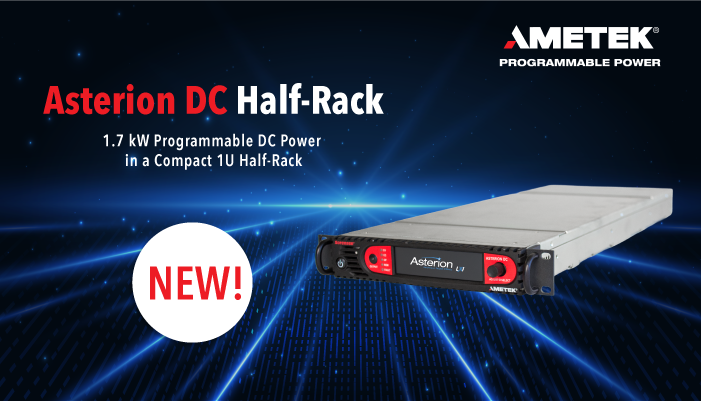

AMETEK Technical Power Resources
Application Guides

Next-Gen Battery & EV Testing

Discover best practices for bidirectional power supply integration and regenerative grid simulation testing.
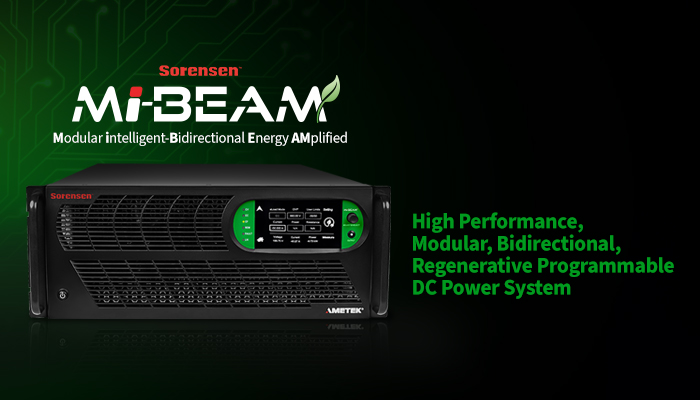
Bidirectional Power Testing Articles
Aerospace Engineering

Solar Array & Satellite Simulation

Learn how advanced MPPT algorithms and solar array simulators improve power subsystem testing for aerospace applications.
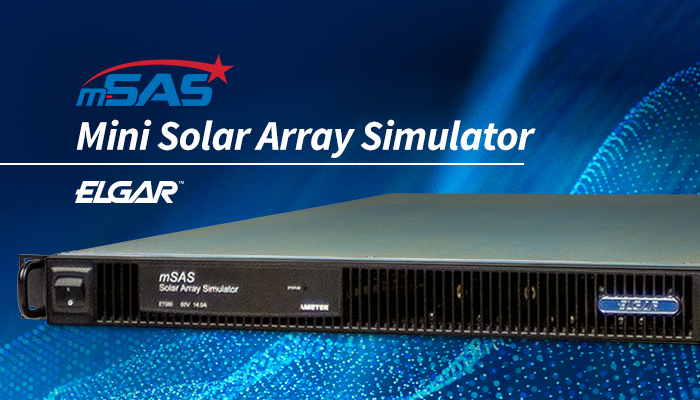
Space Power Subsystem Insights
0%

In today’s rapidly evolving technological landscape, selecting the right tools is crucial for success. Programmable AC power sources play a vital role in various applications, including research, testing, and manufacturing. They provide precision and versatility, essential for powering and testing electronic devices.

This guide presents the top 10 programmable AC power sources available for global buyers. Each option is examined for its features, reliability, and performance. With many choices in the market, it can be challenging to determine which source best fits your needs. This list aims to clarify those choices with expert insights.

Investing in a programmable AC power source may feel overwhelming. Prices vary widely, and the specifications can be confusing. It is important to consider what features truly matter. A source should not only meet today’s requirements but also adapt to future demands.
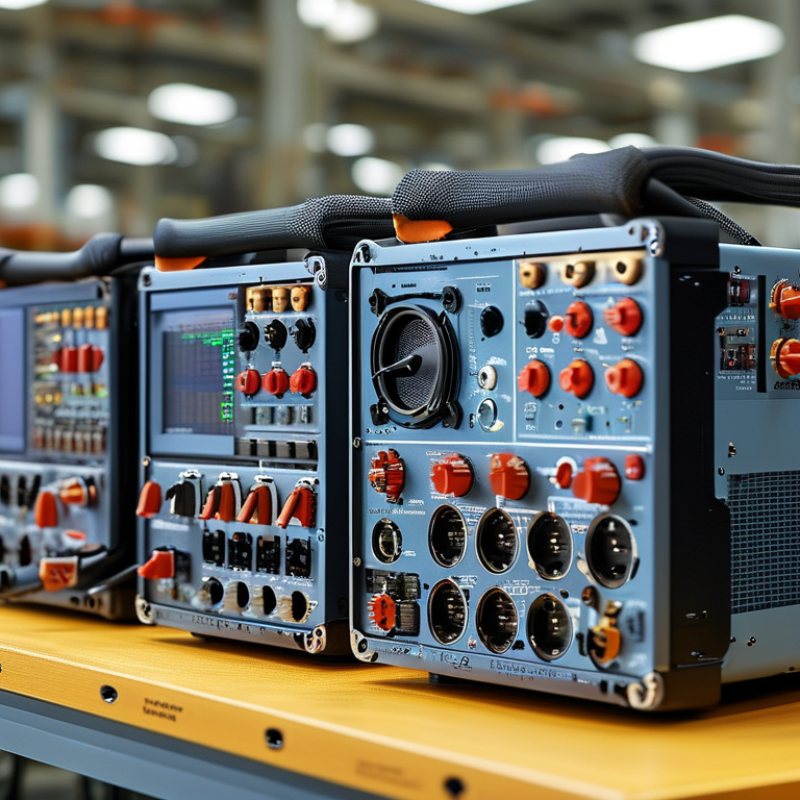
Top 10 Programmable AC Power Sources for Global Buyers?

Overview of Programmable AC Power Sources and Their Applications

Programmable AC power sources offer transformative solutions for various industries. They provide precise control over voltage, frequency, and waveform, which enhances testing and research capabilities in electric and electronic devices. According to a recent market analysis, the programmable AC power supply market is projected to grow at a compound annual growth rate (CAGR) of 6.5% from 2023 to 2028. This growth reflects a rising demand for reliable power sources in sectors such as automotive, aerospace, and renewable energy.

In practical applications, these power sources are vital for product testing, simulation, and design validation. Engineers utilize them to mimic real-world power conditions. This helps in evaluating the performance of equipment under various scenarios. However, not all programmable AC sources maintain the same reliability. Variability in quality can lead to inconsistent results, potentially obstructing critical development processes. As a result, it is crucial to prioritize devices from established manufacturers that emphasize rigorous testing standards.

Furthermore, user expertise plays a significant role in maximizing the benefits of programmable power sources. Even with advanced features, operators must understand the functionality and limitations of their equipment. Misinterpretation of specifications can lead to errors during testing phases. Accurate training and guidelines are essential to ensure the effective deployment of these sophisticated tools. This balance between advanced technology and human oversight is necessary for optimal outcomes in any application.

Key Features to Look for in Programmable AC Power Sources

When selecting a programmable AC power source, buyers should consider key features that align with their application requirements. One essential aspect is output stability. A high-performance programmable AC power source should maintain output voltage and frequency with minimal fluctuation. According to a recent industry report, sources achieving less than 0.1% total harmonic distortion (THD) are preferred for precision testing. This level of stability ensures accurate results in sensitive electronic devices.

Another critical feature is programmability. Users should look for options that offer extensive control over parameters such as voltage, frequency, and waveforms. Advanced models provide multiple waveforms, including sine, square, and arbitrary waveforms. The flexibility to customize these settings can greatly enhance testing scenarios. Research indicates that 78% of engineers value this feature for their R&D processes, as it facilitates comprehensive testing of diverse equipment designs.

Finally, connectivity and user interface play significant roles. Systems that integrate with software tools allow for streamlined operation and monitoring. Intuitive displays and remote access capabilities can save time and improve efficiency. Survey data show that 65% of users prefer sources with robust communication interfaces for better integration in automated environments. While the technology is advancing, understanding these key features is crucial to making informed purchasing decisions.

Top 10 Brands and Models of Programmable AC Power Sources

Programmable AC power sources play an essential role in various industries. They offer precise control over voltage and frequency, enabling rigorous testing of electrical devices. According to industry reports, the global market for programmable AC sources is expected to grow significantly. The CAGR for this sector is projected to be around 8% over the next five years.

When considering the top brands and models, factors like output range, number of channels, and software capabilities are crucial. Some models deliver output from 0 to 300V. Others are designed for high power with robust features that enable simulation of complex electrical environments. Many sources allow for better integration with automated testing setups.

However, not all units meet strict safety standards. Users must scrutinize compliance and build quality. Purchasing decisions should rely on detailed specifications and user reviews. Some sources might lack advanced programming features, leading to limitations in testing capabilities. Being aware of these factors can help purchasers make informed choices.

Comparison of Specifications and Pricing for Each Model

When evaluating top programmable AC power sources, users should examine specifications closely. Key factors include output voltage range, power rating, and frequency stability. Each model has unique features that cater to various applications. Reviewing pricing is essential for budgeting effectively.

Consider the output capabilities. Some models offer a broader voltage range, providing more flexibility for testing. Pay attention to maximum current ratings; this impacts device performance. Understanding these specifications can help buyers select the right source for their needs.

For a better purchase experience, always compare user reviews and technical support offered. Sometimes, less popular models perform exceptionally well, but lack visibility. Checking the reliability and consistency of supplier responses is important too. Remember to weigh long-term costs, including maintenance and calibration, against initial purchase prices.

Buying Guides for Global Customers: Considerations and Tips

When considering programmable AC power sources, specific factors come into play. First, think about the power output range you need. This will depend on your applications, whether testing devices or creating prototypes. Ensure the power source meets your voltage and current requirements to avoid underperformance.

Next, look at the features offered. Some models provide advanced programming capabilities, while others focus on basic functions. An intuitive interface can save time during setup and operation. It's important to assess how user-friendly the controls are. Don't underestimate how critical this is in a fast-paced environment.

Additionally, check customer reviews and seek expert opinions. Reliable feedback can highlight strengths and weaknesses you might not have considered. Despite great specs, a product might have usability issues. Balance technical requirements with practical insights to make a more informed decision.

Top 10 Programmable AC Power Sources for Global Buyers

Model Output Voltage Range (VAC) Output Current (A) Frequency Range (Hz) Power Rating (kW) Price Range (USD)
Model A 0-400 0-20 45-400 8 1500-2000
Model B 0-600 0-30 40-400 12 2500-3000
Model C 0-300 0-15 40-60 5 800-1200
Model D 0-500 0-25 45-100 10 1500-2200
Model E 0-750 0-40 50-500 15 3000-3500
Model F 0-450 0-20 60-400 8 1200-1600
Model G 0-350 0-10 45-60 3 600-800
Model H 0-420 0-25 40-400 9 1700-2100
Model I 0-480 0-22 50-500 11 2000-2500
Model J 0-600 0-35 45-400 15 1800-2300

FAQS

: What are programmable

C power sources used for?

How is the market for programmable AC power sources expected to grow?

The market is projected to grow at a CAGR of around 8% over the next five years.

What factors should I consider when buying a programmable AC power source?

Consider output range, number of channels, and software capabilities for your specific needs.

Why is safety compliance important in purchasing decisions?

Not all units meet safety standards, which can affect performance and reliability.

How can user reviews influence my purchase?

Reviews reveal strengths and weaknesses that specifications may not show.

What impact does maximum current rating have?

It directly affects device performance during testing and operation.

Is pricing the only factor when choosing a power source?

No, consider specifications and long-term costs like maintenance too.

What role do advanced programming features play?

They enhance testing capabilities but some models may lack these features.

How important is the user interface of a power source?

An intuitive interface can significantly save time in setup and operation.

Can less popular models still perform well?

Yes, they might outperform popular models but often lack visibility in the market.

Conclusion

Programmable AC Power Sources are versatile devices essential for a variety of applications, including testing electronics and simulating grid conditions. In the article, we explore key features to look for, such as voltage range, output quality, and control options that can significantly impact performance and usability.

We also provide an overview of the top 10 brands and models currently available, including a comparative analysis of their specifications and pricing. For global buyers, the article includes vital considerations and tips to ensure the right purchase decision, emphasizing the crucial aspects of compatibility and customer support in different regions.

Emma

Emma

Emma is a dedicated marketing professional with a deep understanding of the company's core business and its unique value propositions. With years of experience in the industry, she consistently demonstrates her expertise through regular updates to the company’s professional blog. Emma's writings......