Technical Insights

Power Electronics Blog & Articles

In-depth technical guides, engineering innovations, and testing methodologies from AMETEK Programmable Power specialists.


AMETEK Technical Power Resources
Application Guides

Next-Gen Battery & EV Testing

Discover best practices for bidirectional power supply integration and regenerative grid simulation testing.
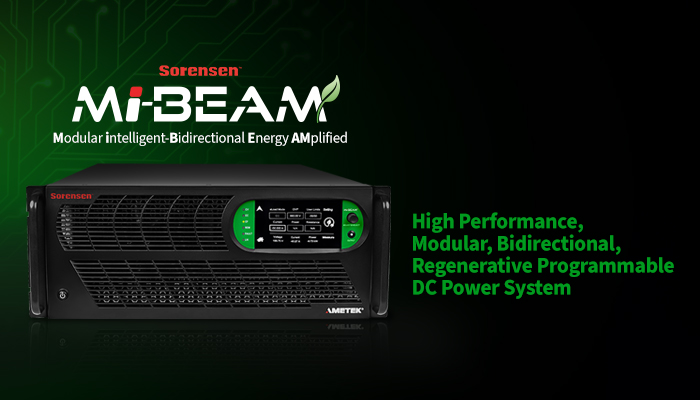
Bidirectional Power Testing Articles
Aerospace Engineering

Solar Array & Satellite Simulation

Learn how advanced MPPT algorithms and solar array simulators improve power subsystem testing for aerospace applications.
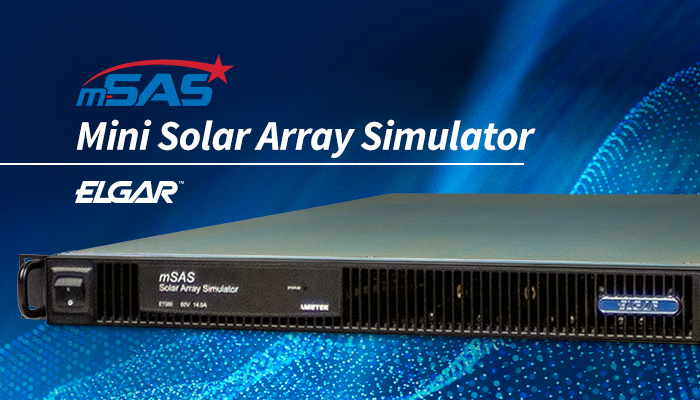
Space Power Subsystem Insights
0%

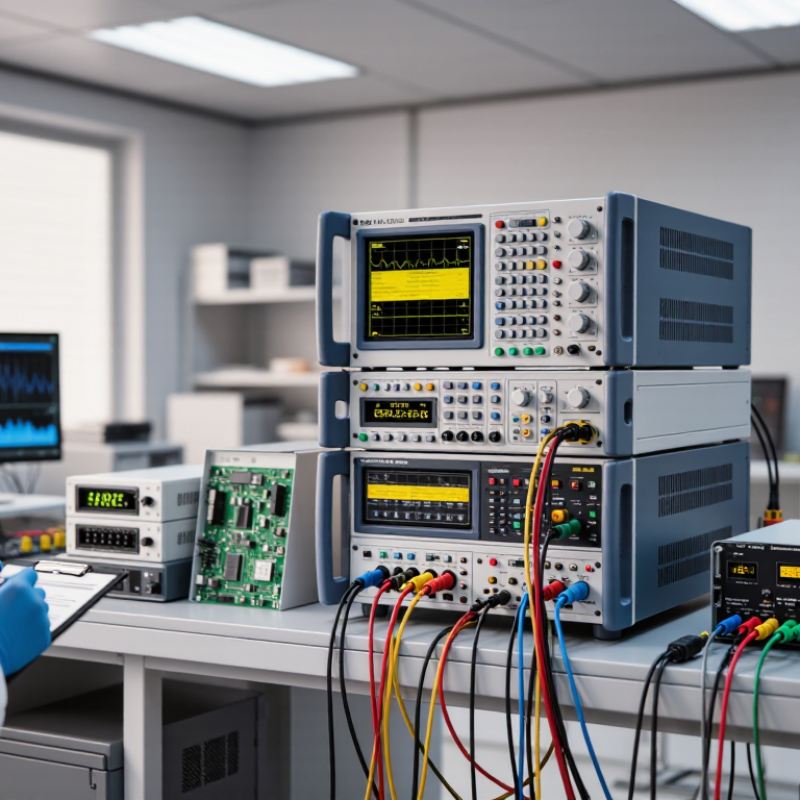
Selecting AC DC Immunity Compliance Testing Systems is not just a matter of comparing power ratings. Buyers need equipment that can reproduce the disturbances their products may encounter, from voltage dips and interruptions to controlled variations in AC or DC supply. The right setup depends on the device under test, its operating current, and the standards relevant to its intended market. Details count. A system that looks capable on paper may still lack the test ranges, accessories, or monitoring functions a specific lab requires.

This guide examines practical factors buyers can verify: output range, waveform control, test sequencing, safety interlocks, calibration support, and software records. Clear logs can help engineers connect a test event with a device response, such as a reset or unexpected status change. That matters. So do service availability and integration with existing benches, especially when test time is limited. Ask vendors to demonstrate representative test conditions, not only a polished interface. Confirm specifications against technical documentation, and consult the applicable standard or a qualified compliance professional before purchase. A product sheet cannot answer every question. Even experienced teams may overlook a small detail, such as connector compatibility or the time needed to configure repeatable sequences. The strongest choice is therefore not automatically the most powerful system. It is the one that fits the test plan, provides trustworthy evidence, and can be supported throughout the equipment’s working life.
Top AC DC Immunity Compliance Testing Systems for Buyers

What AC and DC Immunity Compliance Testing Measures

AC and DC immunity testing measures whether equipment keeps working when its power supply is disturbed. For AC inputs, IEC 61000-4-11 defines voltage-dip and interruption tests using residual-voltage levels and timed events. A test may briefly reduce the supply to zero. Engineers monitor resets, relay chatter, display errors, and recovery time—not merely whether a unit switches back on. Small details matter.

DC-powered products need a different view. IEC 61000-4-29 covers dips, interruptions, and voltage variations on DC input ports, where battery-backed devices may behave differently from mains-powered equipment. Surge immunity adds another measure: IEC 61000-4-5 specifies the 1.2/50 μs voltage and 8/20 μs current waveform. Test severity depends on the product’s intended environment and applicable requirements. Record the applied level, duration, operating mode, and observed performance. A pass is not the whole story. A device that recovers slowly may still disrupt a larger system, and that gap is easy to miss in a short test.

How Immunity Testing Systems Generate and Apply Disturbances

An AC/DC immunity testing system creates controlled disturbances and delivers them to equipment under test through a defined interface. Its power source sets the normal supply conditions, while dedicated generators shape events such as voltage dips, brief interruptions, surges, and fast transients. For DC inputs, tests may also introduce ripple or timed voltage changes. Small details matter.

The disturbance is not just a number on a screen. Coupling networks route it to the test port, and settings such as amplitude, rise time, duration, and repetition rate determine what reaches the equipment. Before a run, engineers verify the waveform at the connection point with suitable measurement equipment. They also check cables, grounding, and the test configuration, since small setup changes can affect results.

During testing, the equipment operates in a defined state while engineers monitor its behavior and record any resets, errors, or loss of function. A carefully controlled sequence makes results easier to compare across test runs. Still, a clean waveform does not guarantee a representative real-world event; that judgment depends on the product, its supply environment, and the chosen test conditions. It is an easy point to overlook.

How Immunity Test Systems Apply a Surge Disturbance

This illustrative, normalized voltage waveform represents the standard 1.2/50 μs combination-wave surge: the nominal open-circuit voltage reaches its peak in about 1.2 μs and falls to half its peak value at about 50 μs. A surge generator applies calibrated pulses to equipment under test through the appropriate coupling network; the actual test level and setup depend on the applicable standard and test plan.

Key Standards and Test Methods for AC and DC Immunity

AC and DC immunity testing checks whether equipment keeps operating during electrical disturbances. For AC power ports, IEC 61000-4-11 defines methods for voltage dips, brief interruptions, and variations. Larger-current equipment may require a different product-specific method. DC ports can be assessed using IEC 61000-4-29, which covers dips, interruptions, and voltage variations. EFT and surge tests may also apply, depending on the product standard and installation environment.

A practical test system needs a programmable power source, suitable coupling networks, and monitoring for resets or output changes. Set test levels and durations from the applicable product standard, not from a generic checklist. Record the operating mode, cable layout, and recovery behavior. A device that restarts cleanly may still fail if it loses stored settings. Small details matter.

Tips: Verify the test waveform and source settings before connecting the equipment. Keep cables positioned consistently, and observe the unit during each event. Repeat borderline results; one clean run is not strong evidence. Test plans are never perfect, so document assumptions and investigate unexpected behavior rather than dismissing it.

Essential Features to Compare in Testing Systems

When comparing AC/DC immunity testing systems, start with the disturbances they can generate. Check voltage and current ranges, frequency coverage, waveform control, and how quickly the system changes between test conditions. A unit that reaches the required level but cannot reproduce a stable waveform may produce results that are hard to trust. Ask for measured output data, not only specification-sheet values.

Look closely at monitoring and protection. Clear readouts should show applied levels, timing, and any interruption during a test. Useful systems record settings and results, so another engineer can repeat the setup later. Check whether calibration records are traceable and whether safety interlocks prevent accidental exposure to hazardous output. Small details matter. A misplaced cable or loose connection can distort measurements. The fixture matters, too.

Consider the equipment under test and the bench itself. Can the system handle the required load without excessive heating? Are adapters available for the connectors and cable lengths used in your lab? Ask how faults are reported and whether test sequences can be edited without specialist programming. I would still question impressive automation claims: a complicated workflow can hide setup errors. A short demonstration with a representative device often reveals more than a feature list. Also review service access and documentation before purchase; these are easy to underestimate.

How Buyers Can Select and Validate a Testing System

Buyers should match an AC/DC immunity system to the product’s rated voltage, current, phase configuration, and required test levels. IEC 61000-4-5:2014+A1:2017 specifies a combination-wave surge with a 1.2/50 μs open-circuit voltage and an 8/20 μs short-circuit current. IEC 61000-4-4:2012 defines electrical fast transient pulses with a 5/50 ns waveform. These figures help buyers check whether a system can reproduce the required disturbances, not just display them on a datasheet. Small details matter. Confirm coupling networks, phase-angle control, and operating limits for the intended test setup.

Validation needs measured evidence. Before purchase, ask for calibration records and verify output at the test port using suitable, calibrated measurement equipment. Run a representative load test; compare the delivered waveform, voltage, current, and timing with the applicable IEC method and the product’s test plan. For voltage dips, IEC 61000-4-11:2020 provides a reference for testing equipment connected to low-voltage supplies. Check that the system supports the required dip levels and durations. Then test. A polished specification sheet can still leave questions about repeatability, especially under load. Record the setup, probe locations, and results, so another engineer can reproduce the check. If results differ, investigate the wiring and measurement method before blaming the generator.

FAQS

What does AC and DC immunity testing measure?

It checks whether equipment keeps working during power disturbances. Engineers monitor resets, relay chatter, display errors, and recovery time. Switching back on is not enough.

How do AC voltage-dip tests work?

The supply voltage is reduced to specified residual levels for timed intervals. Some events briefly reduce voltage to zero. IEC 61000-4-11 describes these AC tests.

How are DC immunity tests different?

DC tests assess dips, interruptions, and voltage variations at DC input ports. Battery-backed equipment may respond differently from mains-powered products. Context matters. IEC 61000-4-29 covers these tests.

What does surge immunity testing examine?

It applies a defined surge waveform: 1.2/50 μs voltage and 8/20 μs current. Test severity depends on the product’s environment and applicable requirements. Details count.

How does a test system deliver disturbances?

A power source sets normal supply conditions, while generators create dips, interruptions, surges, or fast transients. Coupling networks route events to the test port. DC tests may also include ripple or timed voltage changes.

What should engineers check before testing?

They verify the waveform at the connection point with suitable measurement equipment. They also check cables, grounding, and the test setup. Small changes can affect results.

What should be recorded during a test?

Record the applied level, duration, operating mode, and observed performance. Note resets, errors, loss of function, and recovery time. A slow recovery may still disrupt a larger system.

Does a clean waveform guarantee real-world immunity?

No. A clean waveform alone cannot prove that test conditions represent actual supply events. Results depend on the product and its environment. That judgment can be imperfect.

Conclusion

AC DC Immunity Compliance Testing Systems help determine whether electrical and electronic equipment can continue operating reliably when exposed to disturbances on power and signal lines. AC immunity testing typically examines responses to events such as voltage dips, interruptions, and fluctuations, while DC testing focuses on variations and disturbances affecting direct-current supplies. A well-planned test applies controlled disturbances at defined levels and durations, then monitors the equipment for performance changes, resets, or failures.

When comparing systems, buyers should consider the disturbance types and ranges supported, output stability, measurement accuracy, safety protections, automation, and the clarity of test reports. Compatibility with relevant standards and test methods is also essential, since requirements vary by product and application. Before selecting a system, buyers can map their testing needs to its capabilities, review calibration and support arrangements, and validate performance with representative equipment. These steps help ensure the setup is practical, repeatable, and suitable for ongoing compliance work.

Emma

Emma

Emma is a dedicated marketing professional with a deep understanding of the company's core business and its unique value propositions. With years of experience in the industry, she consistently demonstrates her expertise through regular updates to the company’s professional blog. Emma's writings......