Technical Insights

Power Electronics Blog & Articles

In-depth technical guides, engineering innovations, and testing methodologies from AMETEK Programmable Power specialists.


AMETEK Technical Power Resources
Application Guides

Next-Gen Battery & EV Testing

Discover best practices for bidirectional power supply integration and regenerative grid simulation testing.
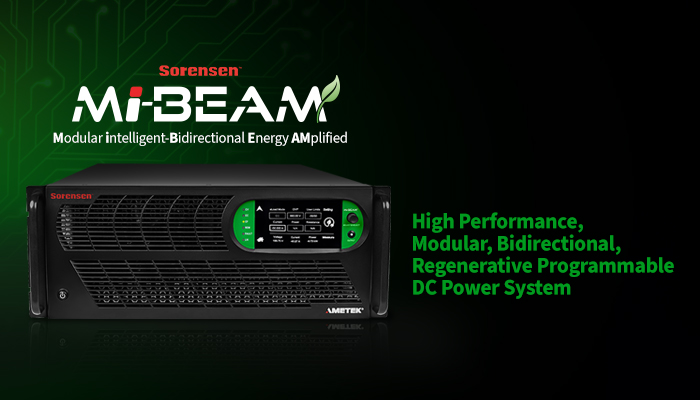
Bidirectional Power Testing Articles
Aerospace Engineering

Solar Array & Satellite Simulation

Learn how advanced MPPT algorithms and solar array simulators improve power subsystem testing for aerospace applications.
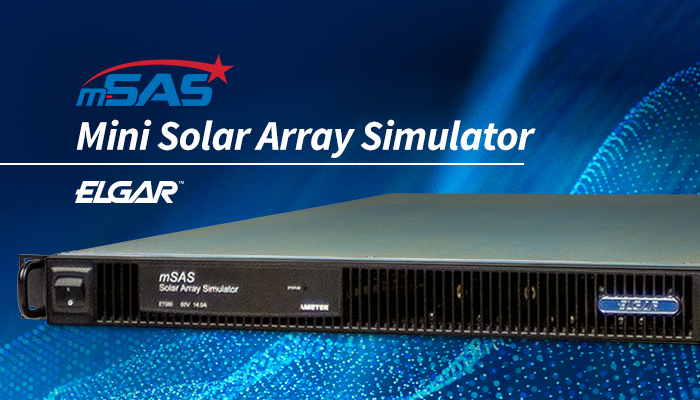
Space Power Subsystem Insights
0%

Selecting DC Bench Power Supplies is more than comparing voltage ranges and front-panel displays. A dependable unit protects prototypes, shortens troubleshooting time, and supports repeatable measurements. It should deliver clean power at the stated load, not merely impressive numbers on a product page. In a real laboratory, a quiet fan, clear terminals, and stable output can matter as much as maximum wattage.

Industry data supports this careful approach. The MarketsandMarkets 2024 Test and Measurement Equipment Market report identifies electronics development, semiconductor production, and automated testing as major growth areas. These applications increasingly require accurate, programmable, and connected instruments. Grand View Research’s power supply market analysis also highlights efficiency, regulation performance, and rising demand for compact laboratory equipment. Such reports describe broad market direction, not the needs of every bench.

That distinction matters. A university lab may value overload protection and simple controls, while a production engineer may need remote programming and data logging. Engineers should also consider IEC 61010-1 safety requirements and measurement traceability practices described by NIST. Check the datasheet, then test the claims when possible. Look beyond peak output. Examine ripple, load regulation, transient response, cooling, calibration intervals, and isolation. A 30-volt supply with noisy output can undermine a sensitive sensor experiment. An inexpensive model may appear sufficient, yet its unstable display or slow protection response could waste hours. I have found that selection decisions are rarely perfect. However, a structured comparison reduces avoidable surprises and helps match the instrument to its actual workload.
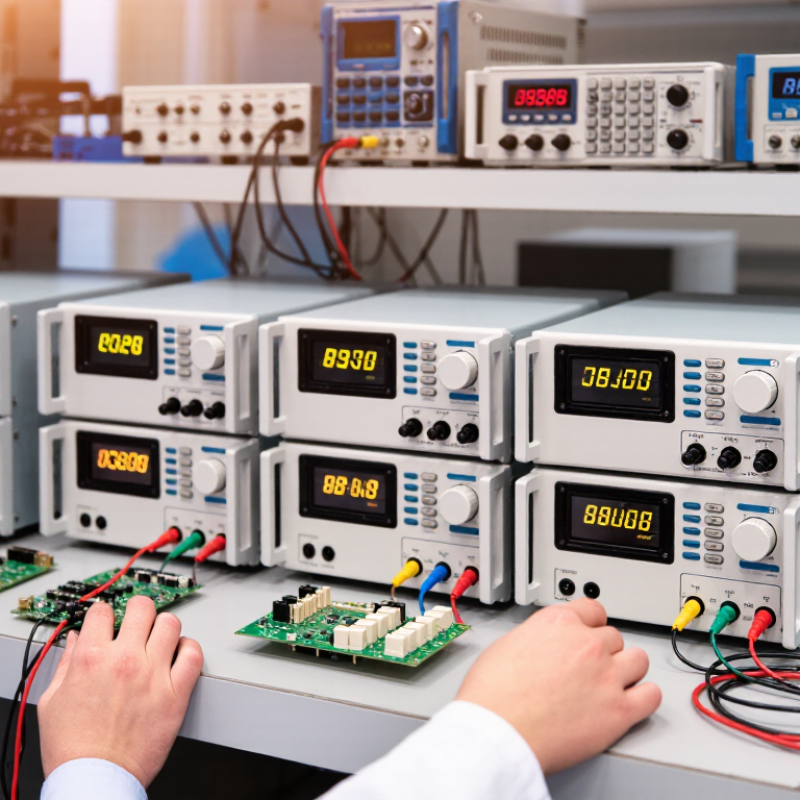
10 Tips for Choosing DC Bench Power Supplies

Assess Your Application’s Voltage, Current, and Power Requirements

10 Tips for Choosing DC Bench Power Supplies

Assess Your Application’s Voltage, Current, and Power Requirements

Begin with the load, not the supply’s front-panel range. Record normal voltage, startup voltage, steady current, and possible surges. A 12-volt circuit drawing 2.5 amps needs 30 watts continuously. Allow practical headroom, usually 20% to 30%, for temperature changes and future revisions. A 36-watt supply may work, but a 50-watt model gives the circuit more breathing room.

Read the limits carefully. Maximum voltage and current are not always delivered simultaneously. Check the manufacturer’s power curve, regulation figures, ripple specification, and transient response. The 2024 World Semiconductor Trade Statistics forecast semiconductor sales growth of 16% in 2024. More development work can mean more prototypes, varied loads, and repeated power cycling. Your bench supply should handle those changes without constant manual adjustment.

NIST Technical Note 1297 stresses that measurement results need documented uncertainty. That matters when testing low-current sensors or precision analog circuits. Measure the load with a calibrated meter, then compare readings at the supply terminals and the device terminals. Voltage drop surprised me during an early prototype test. The cable was short, but its thin conductors still altered the circuit voltage. Leave room for current limiting, remote sensing, and independent outputs when the application may expand. IEC 61010-1 also provides a useful safety framework for electrical test equipment, especially around accessible terminals and abnormal operating conditions.

Choose Output Accuracy, Stability, and Adjustment Resolution

Choosing a DC bench power supply starts with output accuracy, stability, and adjustment resolution. These specifications determine whether a circuit receives clean, repeatable power during testing. Accuracy describes the difference between the displayed value and the actual output. A reading of 5.000 V is useful only when the terminals deliver nearly 5.000 V.

Look beyond headline digits. A supply may specify voltage accuracy as ±0.05% plus 10 mV, while current accuracy may use a different tolerance. Check the conditions, temperature range, and measurement method. NIST Technical Note 1297 explains that measurement uncertainty combines several sources, including repeatability and calibration effects. With a coverage factor of 2, expanded uncertainty commonly represents about 95% confidence. That figure matters when comparing small tolerances.

Stability controls drift during warm-up, load changes, and long experiments. Seek clear data for line regulation, load regulation, and temperature coefficient. Adjustment resolution is equally important. A 1 mV setting step helps when biasing sensors, converters, or low-power analog circuits. Coarse controls can cause overshoot around a narrow operating point. Test it yourself. Record the displayed value, terminal voltage, and current after 30 minutes. ISO/IEC Guide 98-3 recommends reporting uncertainty with defined confidence information, yet many specifications remain incomplete. That is worth questioning. A practical choice should favor transparent limits over impressive decimal places.

Evaluate Regulation, Ripple, Noise, and Transient Performance

Choosing a DC bench power supply requires more than reading its maximum voltage and current. Regulation shows how closely output voltage holds during line and load changes. Test it at 10%, 50%, and 100% load, then record the deviation. A 20 mV display change may hide a larger error at the terminals. Measure there, not only at the front panel.

Ripple and noise need bandwidth details. A supply rated at 5 mV RMS may look different with a 20 MHz oscilloscope limit. Record RMS noise, peak-to-peak ripple, probe type, and grounding method. NIST Technical Note 1297 recommends reporting measurement uncertainty with a stated coverage factor, commonly k=2. That small detail improves credibility. I once trusted a low ripple figure too quickly.

Transient performance matters when a circuit changes load suddenly. Apply a fast current step, such as 0.1 A to 1 A, and observe overshoot, undershoot, and recovery time. IEC 61000-4-11:2020 uses voltage-dip levels of 0%, 40%, and 70% residual voltage, providing useful reference points for disturbance testing. Bench supplies are not automatically compliant with that standard. Still, its test logic is valuable. Use short leads, repeat the test, and check results at different output voltages. The best choice is the supply that remains predictable, not merely impressive on paper.

Check Safety Protections, Thermal Management, and Reliability

Choosing a DC bench power supply requires more than checking voltage and current ranges. I look for overvoltage, overcurrent, and overtemperature protection first. Output isolation and a clearly marked earth connection also matter. IEC 61010-1 provides a useful safety framework for laboratory electrical equipment.

Thermal management deserves equal attention. ASHRAE TC 9.9 recommends an 18–27°C range for many air-cooled information-technology environments, but a crowded workbench can become much hotter. Check the fan path, ventilation clearance, and current derating at elevated temperatures. A quiet fan is pleasant. A blocked fan is dangerous. I once trusted a compact enclosure too quickly; that assumption was too simple.

Reliability claims need careful reading. The Uptime Institute’s 2024 Annual Outage Analysis reported that 54% of respondents experienced an outage costing more than $100,000. A bench supply is smaller, yet a failed output can still damage a prototype or erase weeks of testing. Prefer documented calibration intervals, stable ripple performance, replaceable protection components, and service records. MTBF figures can look impressive, but they are estimates, not promises. Test the supply under realistic loads, including startup surges and long-duration operation. Check the temperature near the rear vents with a simple probe. Small details expose weak designs.

10 Tips for Choosing DC Bench Power Supplies

Suggested evaluation weights for comparing safety protections, thermal management, electrical performance, usability, and long-term reliability. The 100-point model is a practical checklist, not a manufacturer rating.

Prioritize over-voltage, over-current, over-temperature, and reverse-polarity protection before comparing output accuracy, ripple, cooling, controls, and serviceability. Always verify the actual specifications and applicable safety certifications for the intended application.

Compare Controls, Connectivity, Form Factor, and Overall Value

10 Tips for Choosing DC Bench Power Supplies

In daily electronics testing, controls often matter more than impressive specifications. Choose large, tactile voltage and current knobs. Fine adjustment prevents overshooting a sensitive circuit. Check whether the display remains readable from your normal standing position. A bright screen helps, but excessive brightness can become irritating in a dark lab. Look for separate output controls and a clear constant-voltage or constant-current indicator. Test the buttons if possible. Some feel precise in a showroom, yet become awkward after repeated use. That detail is easy to underestimate.

Connectivity should match your workflow, not your wish list. USB or LAN control can simplify repeatable tests and data logging. Confirm the command documentation before purchasing. A connector alone does not guarantee useful automation. Consider isolated outputs, remote sensing, and programmable limits for longer leads or delicate loads. Binding posts should accept banana plugs and bare wire securely. Finger access matters when several cables share a crowded panel.

Form factor affects both safety and productivity. Measure your shelf depth, including rear cables and ventilation space. A compact supply saves room, while a heavier chassis usually feels steadier during adjustment. Listen for fan noise during a realistic load, not only at idle. Compare channel count, output power, protection features, calibration support, and included leads. Calculate the cost of accessories and future testing time. The cheapest unit may cost more when its controls slow every measurement. I still sometimes prioritize a smaller footprint, then regret losing a second independent channel. That trade-off deserves honest attention.

FAQS

How should I calculate the power requirement for a DC bench supply?

Multiply the operating voltage by the steady current. A 12-volt circuit drawing 2.5 amps needs 30 watts continuously. Add 20% to 30% headroom for temperature changes and future revisions. A 50-watt supply offers more breathing room than a 36-watt model.

Should I choose a supply by its maximum voltage and current ratings?

Not alone. Maximum voltage and current may not be available simultaneously. Check the power curve and regulation specifications. Startup surges can exceed normal operating current. I once underestimated that detail.

Why should I measure voltage at the device terminals?

Cable resistance can reduce the voltage reaching the load. Thin conductors may create noticeable voltage drop, even over short distances. Compare the supply reading with a calibrated meter at the device. The difference can expose a wiring problem.

What protections should a reliable bench supply include?

Look for overvoltage, overcurrent, and overtemperature protection. Output isolation and a clearly marked earth connection also matter. These features help protect both the equipment and the operator. Protection is not decoration.

How does temperature affect bench supply performance?

A crowded workbench may become hotter than the surrounding room. Check ventilation clearance, fan airflow, and current derating at higher temperatures. Many air-cooled environments operate around 18–27°C. A blocked fan is dangerous.

What should I check before running a prototype for many hours?

Test startup surges, normal loads, and long-duration operation. Monitor the temperature near the rear vents with a simple probe. Watch for unstable voltage, excessive ripple, or repeated protection trips. Real testing reveals weaknesses.

Are reliability and MTBF figures enough for choosing a supply?

No. MTBF figures are estimates, not promises. Review calibration intervals, service records, ripple stability, and replaceable protection components. A failed output can damage a prototype and erase weeks of testing. I may still overlook something.

When are remote sensing and independent outputs useful?

Remote sensing helps compensate for voltage loss in longer or thinner cables. Independent outputs help test circuits with separate voltage requirements. Consider them when your application may expand. More flexibility can prevent another purchase.

Conclusion

Choosing the right DC Bench Power Supplies requires more than comparing prices or maximum output ratings. Start by identifying your application’s voltage, current, and total power requirements, including any possible future needs. Then consider output accuracy, stability, and adjustment resolution to ensure precise control during testing and development. Regulation quality, ripple, noise, and transient response are also important, especially when powering sensitive electronic circuits or evaluating changing loads.

Safety and long-term reliability should be assessed through protections such as overvoltage, overcurrent, overheating, and short-circuit safeguards. Effective thermal management can improve performance and extend service life. Finally, compare the control interface, display clarity, connectivity options, physical size, and ease of integration with your workspace. The best choice balances dependable performance, convenient operation, suitable features, and overall value rather than focusing on a single specification.

Sophia

Sophia

Sophia is a dedicated professional marketer with a profound expertise in her company’s offerings. With a keen understanding of market trends and consumer behavior, she effectively translates complex concepts into engaging content that resonates with the target audience. Sophia regularly updates the......