Technical Insights
Power Electronics Blog & Articles
In-depth technical guides, engineering innovations, and testing methodologies from AMETEK Programmable Power specialists.
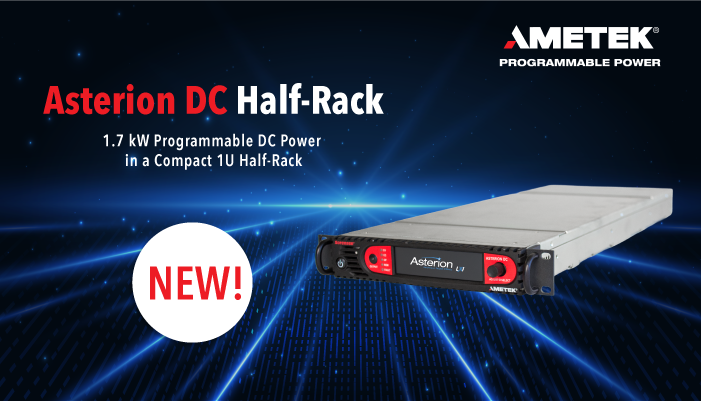

In-depth technical guides, engineering innovations, and testing methodologies from AMETEK Programmable Power specialists.
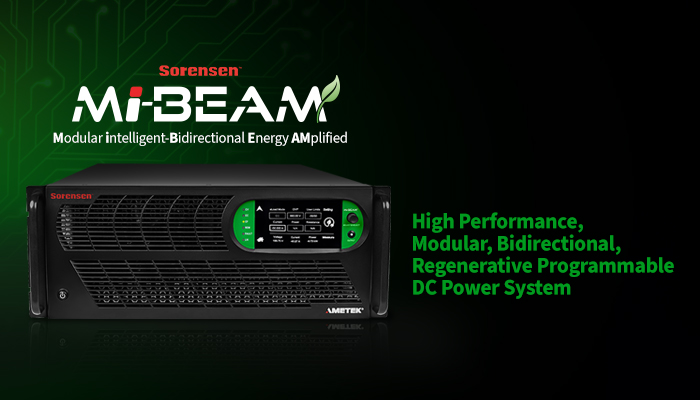
Discover best practices for bidirectional power supply integration and regenerative grid simulation testing.
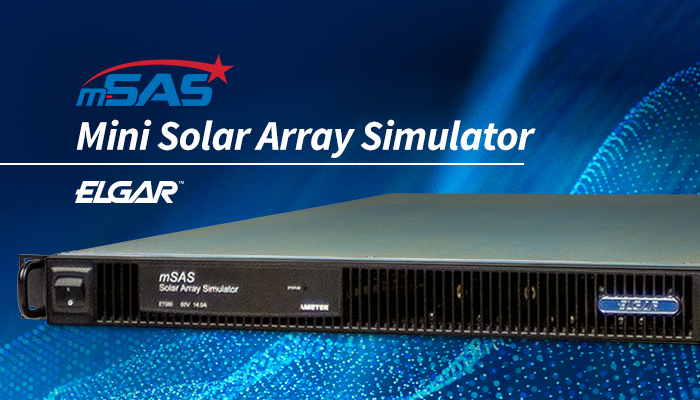
Learn how advanced MPPT algorithms and solar array simulators improve power subsystem testing for aerospace applications.
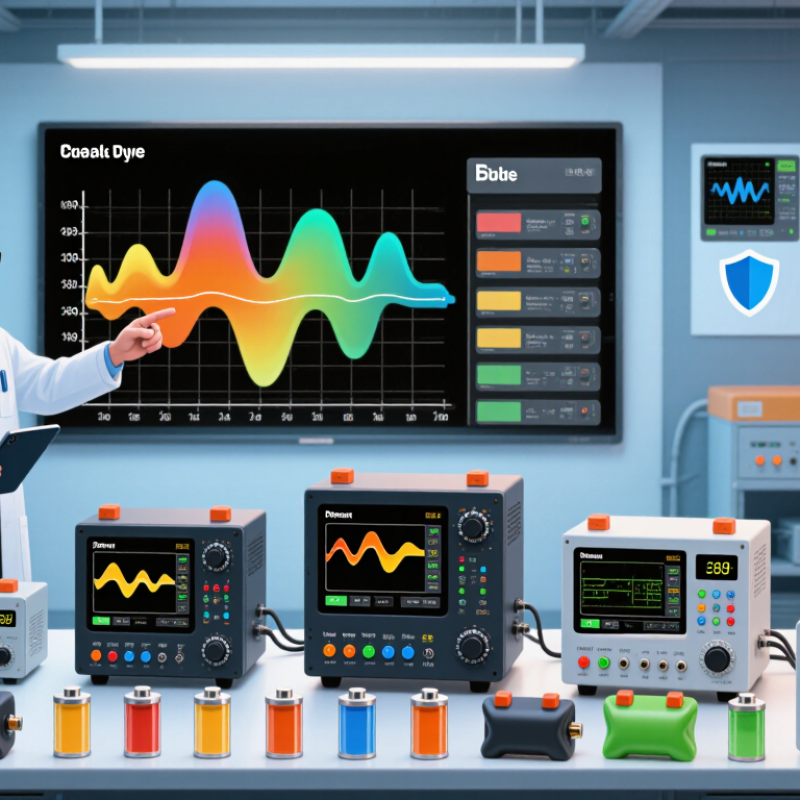
Choosing the best Battery Simulators starts with a clear picture of the tests they must support. A unit for checking a small wearable device may not suit an electric vehicle power system. List the expected voltage and current ranges, battery types, channel count, and test duration before comparing models. Leave room for future requirements, but avoid paying for capacity your team will never use.
Accuracy matters, yet the headline specification is only part of the story. Check measurement resolution, response time, ripple, and how the simulator handles sudden load changes. A quick voltage step can reveal behavior that a steady-state test misses. Look for programmable profiles, data logging, remote control, and software that engineers can use without fighting the interface. Small details matter. A confusing setup can slow an otherwise capable lab.
Safety and reliability deserve equal attention. Review protective features such as overvoltage, overcurrent, and thermal protection, then confirm that the equipment fits your lab’s operating procedures. Ask about calibration, technical support, warranty terms, and how clearly the manufacturer documents limitations. If possible, test a representative waveform or duty cycle before purchase. A specification sheet cannot show every practical friction point. It may still be the best starting point, not the final answer. The right choice balances electrical performance, usable controls, dependable support, and total cost. This guide outlines how to compare those factors and select a simulator that suits real test conditions.
Define the battery simulation task before comparing equipment. Be specific. Will the system reproduce a steady discharge, a fast pulse, or a full charge-and-discharge profile? A pulsed load, for example, may jump from 5 to 40 amperes in milliseconds. That calls for different response behavior than a slow capacity test. Note whether you are testing a cell, module, or complete pack, and record the expected voltage and current ranges. If the simulator must both supply and absorb power, state that requirement early.
Turn those tasks into measurable performance limits. Specify voltage and current accuracy across the actual operating range, not just at one convenient point. Set targets for response time, slew rate, measurement resolution, and ripple; small fluctuations can distort sensitive measurements. Consider test duration, cooling, isolation, safety interlocks, and how the simulator will connect to data-acquisition equipment. A common planning mistake is choosing a high maximum power rating while overlooking transient response. There is no perfect checklist, and early estimates may change. Still, a sample test profile with timestamps, load steps, and cutoff limits gives suppliers and engineers something concrete to evaluate. Probe the awkward case, too: what happens when the test reaches its lowest voltage while current demand rises?
Check measurement uncertainty, output resolution, and calibration intervals across the full voltage and current range. Compare readings with a trusted meter. Small errors matter.
Look for overvoltage, overcurrent, and overtemperature protection, plus clear fault indicators. Check safe shutdown, electrical isolation, and emergency-stop access. Test only as approved.
No. A current limit may control output, while a hard trip disconnects it. Review fault logs and recovery steps before testing.
It should create repeatable voltage and current profiles, schedule test steps, and export usable raw data. Check event logs, too. Screenshots are not enough.
Confirm the exact interfaces, such as CAN, Ethernet, USB, or SCPI. Check how many devices can run together, then test your actual setup.
Test communication with battery management systems, data acquisition, safety interlocks, and lab automation. Simulate a communication fault. Small gaps matter.
Ask about setup help, documentation, calibration, and fault diagnosis. Check whether channels or voltage ranges can be added later. Do not buy capacity you may never use.
Include hardware, software, integration, calibration, training, energy, and service over several years. Challenge your assumptions; some estimates will be wrong. That is useful to know.
Choosing the right Battery Simulators begins with a clear understanding of the tests you need to perform and the performance requirements they must meet. Consider the voltage, current, and power ranges required for your applications, along with how quickly and accurately the simulator must respond to changing conditions. Matching these capabilities to your intended workload helps ensure reliable results without paying for unnecessary capacity.
Accuracy, safety protections, and ease of integration are equally important. Review measurement precision, fault handling, and built-in protection functions, then check whether the software, communication interfaces, and system controls fit your existing test environment. Finally, consider technical support, opportunities to expand the system as needs change, and the total cost of ownership over time. Comparing these factors together can help you select a solution that is dependable, practical, and suited to both current and future testing needs.