Technical Insights
Power Electronics Blog & Articles
In-depth technical guides, engineering innovations, and testing methodologies from AMETEK Programmable Power specialists.
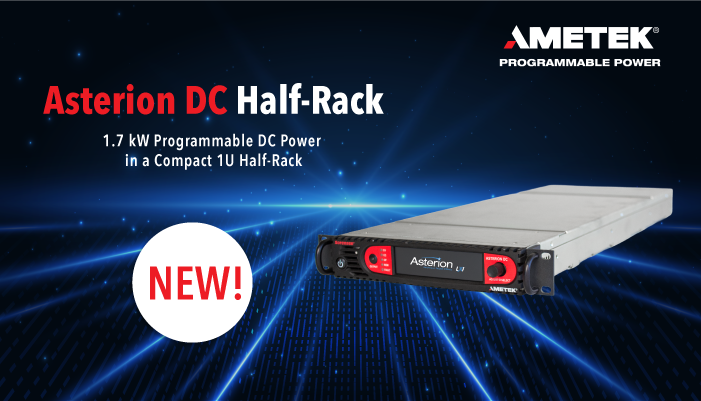

In-depth technical guides, engineering innovations, and testing methodologies from AMETEK Programmable Power specialists.
Discover best practices for bidirectional power supply integration and regenerative grid simulation testing.

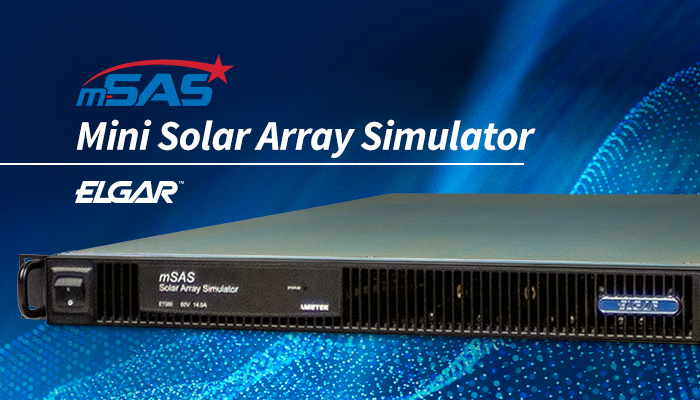
Learn how advanced MPPT algorithms and solar array simulators improve power subsystem testing for aerospace applications.
Modular Power Systems give buyers a flexible way to match power capacity with changing equipment needs. Instead of replacing an entire setup, teams can often add, remove, or reconfigure modules. That can matter in a data center, a factory line, or a remote communications site. Yet flexibility alone does not make a system suitable. Buyers also need to examine output capacity, redundancy, cooling, monitoring, and the availability of replacement parts. Small details matter. Connector types, cabinet dimensions, and shipping requirements can affect installation as much as headline specifications.
This guide reviews seven options for global buyers, with practical criteria for comparing systems across different applications. It considers scalability, efficiency, service access, documentation, and supplier support, while recognizing that product specifications and regional requirements can change. Check current technical documents and confirm local electrical and safety requirements before purchase. A system that works well in one facility may not suit another. No universal winner exists. The right choice depends on the load profile, operating environment, expansion plans, and maintenance resources available on site. The comparisons are a starting point, not a substitute for engineering review. Even a careful shortlist can miss a constraint. That is worth checking before a purchase becomes an installation problem.

A modular power system is built from separate units that work together, rather than one fixed assembly. Depending on the design, modules may store energy, convert power, manage loads, or provide backup. A controller coordinates them and monitors operating conditions. If demand grows, compatible modules can often be added without replacing the entire system. That flexibility matters. Still, “modular” does not always mean plug-and-play; connections, controls, and cooling must match.
Tips: Check the system’s output voltage, frequency, peak load, and operating temperature against the equipment it will serve. Ask how modules communicate and what happens if one fails. A clear wiring diagram is useful. So is a realistic plan for ventilation and maintenance access.
For global buyers, confirm that the system can be configured for the destination’s electrical supply and installation environment. Compare expansion limits, spare-part availability, and technical documentation before choosing. A compact unit may look tidy in a catalog, yet leave little room for servicing. The modular label can make installation sound simpler than it is, so review the interface details with a qualified installer.
It combines separate units for storing, converting, or managing power. A controller coordinates them. Not always plug-and-play.
Check average demand, startup surges, peak load, and expected growth. Peak rating alone can mislead. Ask for partial-load test data.
Often, if the modules, controller, and connections are compatible. Ask whether expansion requires rewiring. Small details matter.
Match input voltage, frequency, earthing, and connector ratings to the site. Many markets use 50 Hz; others commonly use 60 Hz. A mismatch may require conversion equipment.
Review the IEC 62040 series and local installation requirements. Confirm bypass frequency, output voltage, neutral bonding, and fault protection.
Check temperature limits, ventilation, noise, and access for repairs. A compact unit may run hotter in a dusty room. Leave space for servicing.
Ask how faults are isolated and how quickly a module can be replaced. Check spare-part availability and service response times in writing. That can bite later.
Request a load profile template, sample test report, wiring diagram, and technical documentation. Ask about temperature derating. I would not trust one score alone; cable routes and service access can change the plan.
This guide explains what Modular Power Systems are, how their components work together, and why their flexible design can suit a wide range of power needs. It outlines practical criteria for comparing systems, including capacity, scalability, efficiency, reliability, installation requirements, and ease of maintenance. The article then reviews seven types of modular power solutions for global buyers, focusing on the features that can help organizations assess their options without relying on brand-specific recommendations.
Because requirements vary by location and application, the guide also highlights regional standards, electrical compatibility, and installation considerations that buyers should verify before making a decision. Finally, it offers a straightforward approach to matching a system with its intended use, taking into account demand, operating conditions, future expansion, and available support. The goal is to help readers make a clear, informed comparison based on their own requirements.