Power Electronics Blog & Articles
In-depth technical guides, engineering innovations, and testing methodologies from AMETEK Programmable Power specialists.
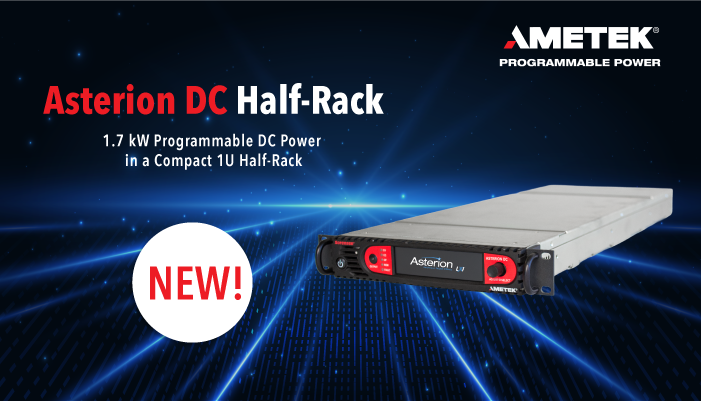

Discover best practices for bidirectional power supply integration and regenerative grid simulation testing.
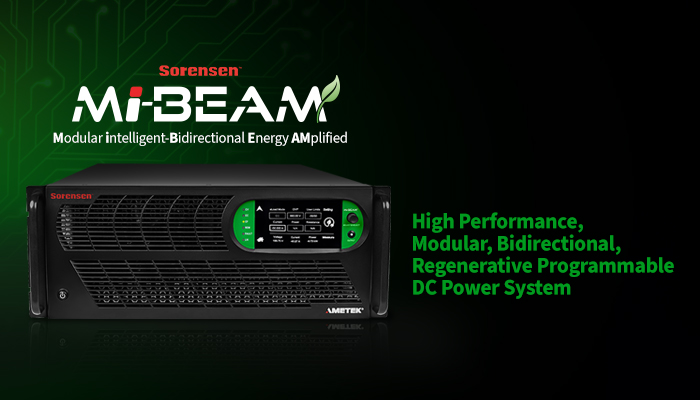
Learn how advanced MPPT algorithms and solar array simulators improve power subsystem testing for aerospace applications.
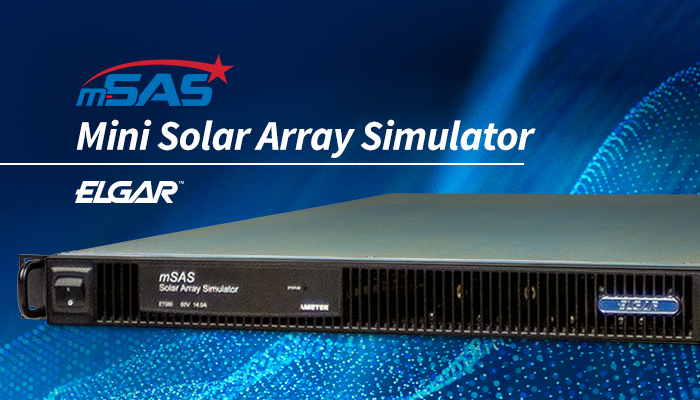
Choosing among the 7 Best Battery Cyclers for Global Buyers? requires more than comparing prices or channel counts. Battery Cyclers are precision instruments for charging, discharging, and recording cell performance. They reveal capacity fade, energy efficiency, cycle life, and thermal behavior under controlled conditions. A reliable system can expose a weak cell before it becomes an expensive production problem. That matters in laboratories, battery factories, universities, and quality-control departments.
Dr. Jeff Dahn, a leading battery researcher, has stated, “The battery is the most important component in an electric vehicle.” His observation also applies to the equipment used to evaluate batteries. If the cycler produces unstable current, inaccurate voltage readings, or poor synchronization, the test results may mislead engineers. Small errors accumulate. They can distort a capacity curve or hide early degradation.
This guide examines seven Battery Cyclers for international buyers. It considers channel count, current range, voltage accuracy, software usability, safety protection, calibration support, and after-sales service. It also considers export logistics and regional power requirements. A system that performs well in a Canadian laboratory may need different support in Southeast Asia or Europe. That detail is easy to overlook.
No ranking is perfect. Buyer priorities differ. Some teams need high-current testing, while others require dense, low-current channels. I may favor measurement reliability over the lowest purchase price. That choice is debatable. Still, dependable data usually costs less than repeated testing, damaged cells, or uncertain engineering decisions. The right Battery Cycler should fit the test method, not merely the brochure.
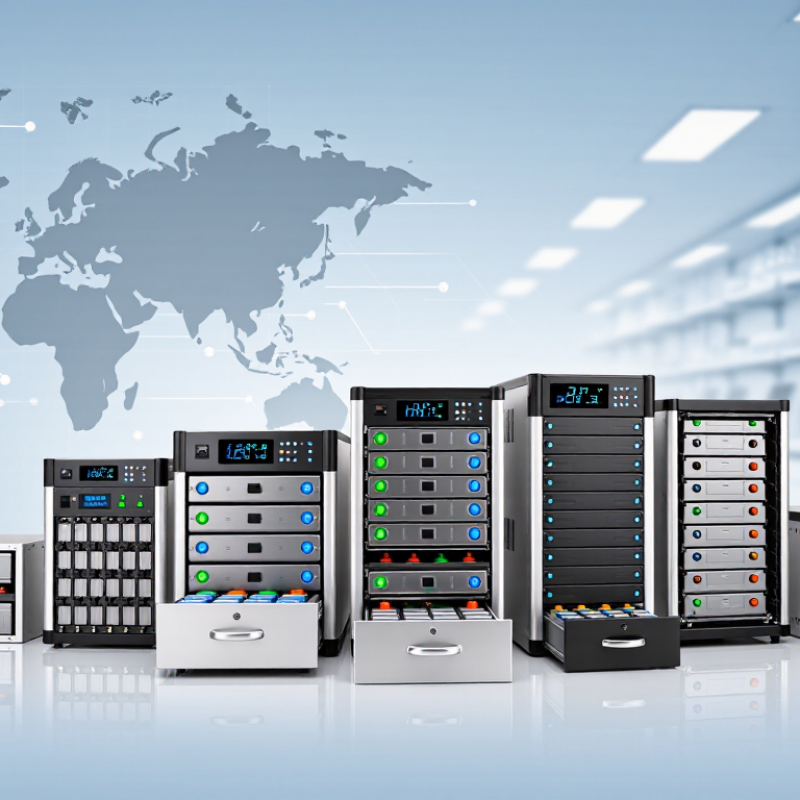
A battery cycler is laboratory equipment that repeatedly charges and discharges a cell, module, or battery pack. It records voltage, current, capacity, temperature, and cycle time. The operator sets a test profile, such as constant-current charging followed by constant-voltage charging. During discharge, the system applies a controlled load and measures delivered energy.
This process reveals capacity loss, internal resistance, efficiency, and thermal behavior. A cycler also identifies unusual voltage drops or heating before a battery reaches its expected life limit.
The International Energy Agency reported that global electric-vehicle battery demand exceeded 750 GWh in 2023. That scale increases the need for repeatable testing across different climates and production sites.
For global buyers, accuracy matters more than impressive channel counts. A useful system should provide calibrated current measurement, stable temperature control, programmable safety limits, and reliable data export. IEC 62660 testing guidance supports controlled performance evaluation for vehicle cells. Still, a cycler is not a crystal ball. Poor contact resistance, unstable cooling, or an unrealistic driving profile can distort results. Even experienced teams may overlook fixture heating. That mistake deserves review. Temperature sensors should sit close to the cell surface, while test logs should preserve every alarm and interruption. A well-designed cycler turns repeated electrical stress into evidence engineers can compare, audit, and question.
7 Best Battery Cyclers for Global Buyers?
Key Specifications for Comparing Battery Cyclers
Choosing among the seven best battery cyclers requires more than comparing channel counts. Check the voltage range, current range, and power limit for each channel. A compact lithium cell may need different control than a large-format battery module. Accuracy matters. Small errors grow. Look for current accuracy near 0.05% of full scale, or better, when detailed capacity testing is required. Resolution also affects low-current measurements, especially during standby and self-discharge studies.
Consider channel independence, temperature monitoring, and emergency shutdown functions. Independent channels allow mixed test schedules without interrupting nearby samples. Thermal sensors should record both chamber conditions and battery surface temperatures. Reliable systems also provide programmable charge, discharge, rest, and cycling steps. Data export should support common formats for traceability. Calibration records, electrical safety documentation, and service availability matter for global laboratories. Regional voltage compatibility is easy to overlook.
Tips: Ask for a real test report, not only a specification sheet. Confirm whether stated accuracy applies across the entire operating range. Check the maximum simultaneous power, because every channel may not reach its advertised limit together. Review software permissions and data backup options before purchase. In my experience, confusing channel count with usable power causes expensive revisions. I still treat very broad performance claims cautiously. A careful comparison should include sample fixtures, wiring resistance, cooling needs, and future battery formats. That extra planning often reveals the better long-term choice.
| Battery Cycler Profile | Typical Test Target | Channels | Voltage Range | Charge / Discharge Current | Maximum Power | Typical Accuracy | Regenerative Capability | Best-Fit Applications |
|---|---|---|---|---|---|---|---|---|
| 1. Precision Cell Cycler | Single cells, coin cells and small pouch cells | 8–64 channels | 0–6 V per channel | ±5 A per channel | Up to 30 W per channel | Voltage: typically ±0.05% F.S. Current: typically ±0.1% F.S. |
Usually non-regenerative | Capacity measurement, rate testing, calendar-life studies and battery-material research |
| 2. High-Current Cell Cycler | Large-format cells and high-power pouch cells | 4–32 channels | 0–6 V per channel | ±50–100 A per channel | Up to 300–600 W per channel | Voltage: typically ±0.05% F.S. Current: typically ±0.1% F.S. |
Optional, depending on system architecture | Power capability, pulse testing, fast charging and high-rate discharge evaluation |
| 3. Battery-Module Cycler | Battery modules and small battery packs | 1–16 channels | 0–60 V per channel | ±50–200 A per channel | Up to 3–12 kW per channel | Voltage: typically ±0.05% F.S. Current: typically ±0.1% F.S. |
Available on selected high-power systems | Module validation, thermal testing, balancing studies and BMS development |
| 4. Low-Voltage Pack Cycler | 48 V, 72 V and other low-voltage packs | 1–8 channels | 0–150 V per channel | ±100–300 A per channel | Up to 15–45 kW per channel | Voltage: typically ±0.1% F.S. Current: typically ±0.1% F.S. |
Common on industrial systems | Electric two-wheelers, small commercial vehicles, robotics and backup-power packs |
| 5. High-Voltage EV Pack Cycler | High-voltage automotive battery packs | 1–4 channels | 0–1,000 V per channel | ±300–500 A per channel | Up to 150–250 kW per channel | Voltage: typically ±0.1% F.S. Current: typically ±0.1% F.S. |
Frequently available | EV pack performance, DC fast-charging simulation, drive-cycle testing and end-of-line validation |
| 6. Battery Formation Cycler | Newly assembled cells during formation and aging | 64–2,000+ channels | 0–5 V per channel | Typically 0–10 A per channel | Typically 20–50 W per channel | Voltage: typically ±0.05% F.S. Current: typically ±0.1% F.S. |
Rarely used for standard formation lines | Initial charge and discharge, aging, grading, screening and production quality control |
| 7. Regenerative High-Power Cycler | Large modules, EV packs and stationary-storage systems | 1–8 channels | 0–1,000 V per channel | ±500–1,000 A per channel | Up to 250 kW–1 MW per channel | Voltage: typically ±0.1% F.S. Current: typically ±0.1% F.S. |
Yes; energy can be returned to the electrical grid or DC bus | Large-pack validation, grid-storage testing, high-power cycling and energy-efficiency studies |
Choosing among the seven best battery cyclers depends on testing goals, cell formats, and local power conditions. A precision benchtop cycler suits laboratories measuring capacity, efficiency, and cycle life. A modular multi-channel system helps teams test several cells under different profiles. High-current equipment supports electric mobility packs and demanding pulse tests. Regenerative cyclers can return energy to the grid, reducing heat and operating costs. Temperature-controlled cyclers improve repeatability when cells face cold starts or elevated temperatures. A pouch-cell fixture offers safer, more consistent contact during flat-cell testing. Production-grade cyclers provide automated records, alarms, and traceable quality checks.
Tips: Check voltage, current, channel count, and measurement accuracy before comparing prices. Confirm the system supports your regional voltage and frequency. Ask about calibration services, replacement parts, software access, and training. A cheaper unit may become expensive when technical support is slow. Test the emergency shutdown function yourself.
In my testing experience, stable connections often matter more than impressive software screens. Loose fixtures can create false capacity losses. That detail is easy to miss. Global buyers should also review data-export formats, cybersecurity controls, and language options. Some systems claim broad compatibility, yet adapters may introduce resistance or measurement errors. Request sample test data and inspect the uncertainty values. Do not rely only on brochure specifications. A cycler that matches your cells, safety procedures, and service network will usually produce more useful evidence.
7 Best Battery Cyclers for Global Buyers
Battery cyclers should match the testing application, not just the purchase budget. For coin cells, choose a precise low-current cycler with stable voltage control. Pouch-cell research needs flexible channels and programmable charge profiles. Cylindrical-cell production benefits from parallel channels and barcode-ready records. Module testing demands higher voltage, stronger safety isolation, and reliable temperature monitoring. Pack validation requires high current, dynamic load simulation, and emergency shutdown functions. Regenerative cyclers suit large systems because they can return energy to the facility. Environmental test cyclers add synchronized control for temperature, humidity, and electrical cycling.
Tips: Check current range, voltage accuracy, channel independence, cooling, and software compatibility. Ask for calibration records and test data before ordering. Confirm local power requirements and technical support availability. A clear warranty matters, especially across borders.
In practical testing, a higher current rating is not automatically better. Oversized equipment can reduce measurement resolution during small-cell experiments. One common mistake is choosing channels without considering future battery formats. Leave room for expansion. Also inspect the fixture design; loose contacts can create false resistance readings and unstable temperature results. The perfect cycler may not exist. A reliable system is easier to maintain, verify, and trust.
7 Best Battery Cyclers for Global Buyers?
Global Purchasing, Compliance, and Support Considerations
Choosing among the seven best battery cyclers requires more than comparing current range and software features. Global buyers should verify voltage compatibility, plug requirements, and regional installation conditions before ordering. A cycler may perform well in one laboratory but fail without suitable power infrastructure elsewhere. Request complete datasheets, user manuals, calibration records, and environmental operating limits.
Compliance documents deserve careful review. Ask for applicable electrical safety reports, electromagnetic compatibility testing, and declarations required in the destination market. Confirm whether the supplier can provide traceable calibration and replacement parts for several years. Product labels should match shipping documents and local import requirements. Small documentation gaps can delay customs clearance. That is costly.
Support quality often separates a reliable cycler from an attractive but risky purchase. Check response times, remote diagnostics, training options, and local service coverage. A practical supplier should explain maintenance intervals and provide clear troubleshooting procedures. Data export formats also matter when teams compare results across laboratories. I would test the interface with a real sample workflow before approving a large order. No checklist is perfect. My own review process would still allow room for overlooked regional requirements, especially when regulations change. A written service agreement, spare-part plan, and acceptance test can reduce that uncertainty.
Compare voltage range, current range, channel count, power limits, and measurement accuracy. Channel count alone can mislead.
Small current errors can distort capacity and efficiency results. Look for accuracy near 0.05% of full scale, or better.
Not always. Confirm the maximum combined power with a real test report before purchasing.
Independent channels support different charge, discharge, rest, and cycling schedules. One sample can rest while another continues testing.
It should record chamber conditions and battery surface temperatures. Temperature-controlled testing improves repeatability during cold starts or heat exposure.
Pouch cells need stable, even contact. Large modules may require stronger wiring, cooling, and higher-current connections.
Check emergency shutdown, alarms, thermal sensors, and electrical safety documents. Test the shutdown function yourself.
Sample data reveals uncertainty values, export formats, and practical accuracy. Brochure claims may look better than daily results.
Confirm regional voltage and frequency compatibility, calibration support, replacement parts, training, and software access. Slow support can become expensive.
Yes. Loose fixtures and adapter resistance can create false capacity losses. Stable connections matter more than impressive screens.
Battery Cyclers are essential instruments for evaluating the performance, safety, and durability of rechargeable cells, modules, and battery packs. By controlling charge and discharge current, voltage, temperature, and cycling patterns, they help engineers measure capacity, energy efficiency, cycle life, power capability, and abnormal behavior. When comparing systems, buyers should examine channel count, current and voltage ranges, measurement accuracy, control flexibility, data recording, thermal management, software functions, and system expandability.
This guide presents seven practical Battery Cyclers suitable for global buyers, organized around different testing needs such as research, quality inspection, production validation, and long-term aging studies. It also explains how to select equipment according to battery chemistry, test scale, environmental conditions, and required precision. Beyond technical specifications, international purchasers should assess electrical compatibility, documentation, certification, calibration services, warranty coverage, spare parts availability, training, and responsive technical support. A well-matched system can improve testing consistency, reduce operational risks, and support reliable battery development across diverse laboratories and manufacturing environments.